Designing for People, Not Metrics
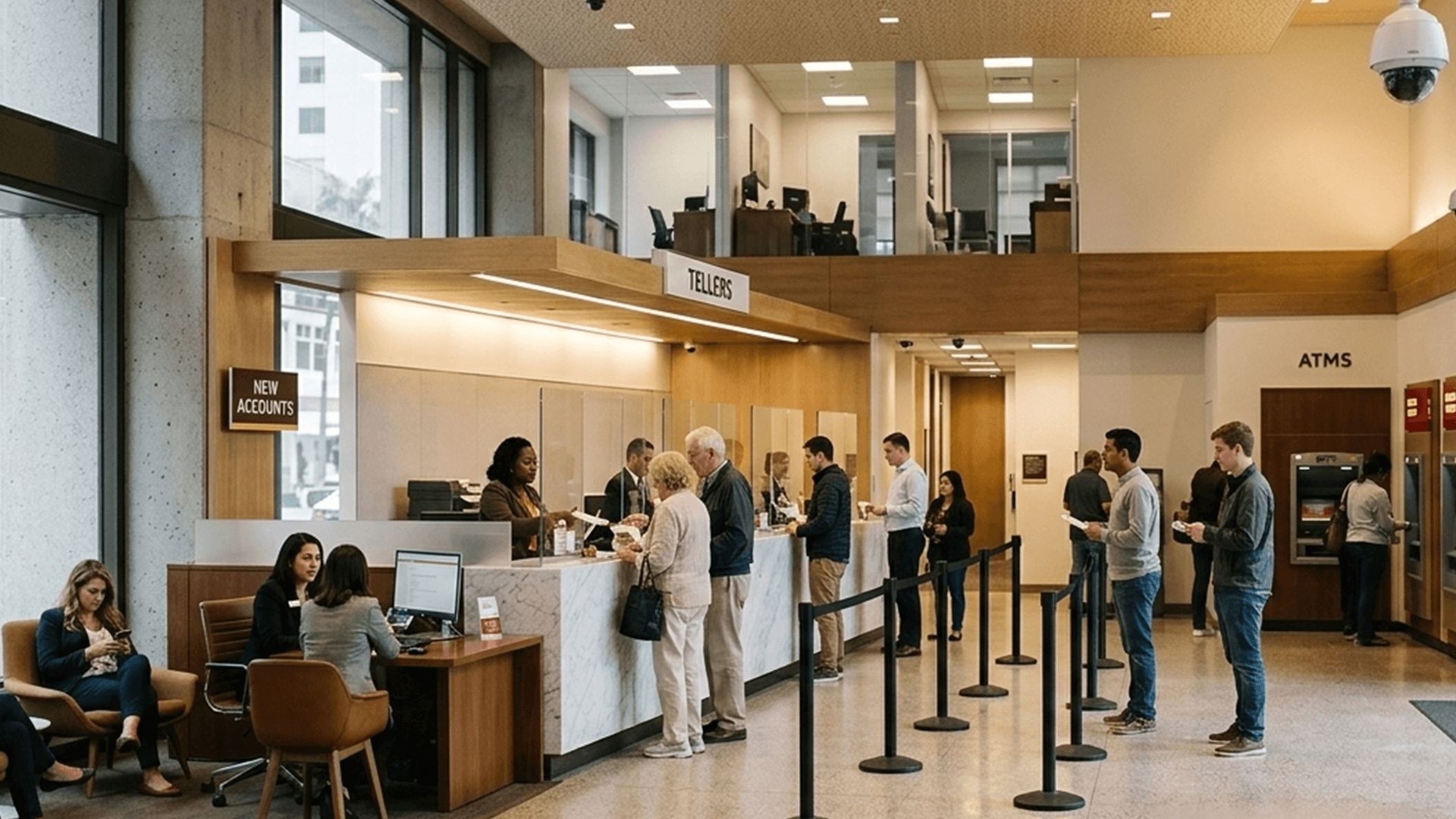
Most companies talk about being customer-first. Fewer actually mean it.
I recently joined a new employer, and a few months in I've been genuinely struck by something I wasn't expecting - one of the purest examples of human-centered design I've encountered in my career, and it's happening inside a financial institution.
They're self-aware about where they sit in the banking industry. They're not trying to be everything to everyone. They serve a specific audience, they're member-owned and not-for-profit, and that structure isn't just a legal designation - it shows up in how decisions actually get made. When your members are your owners, the incentives shift in a real way.
The people reflect it too. Tenure here is long - many stay well over a decade - and you can feel the difference that makes in how people show up. The customer service reps in the call center, all local, are having the kind of human-to-human conversations I genuinely didn't expect to encounter in a financial services environment. They ask about your life. They remember context. It doesn't feel scripted.
But the thing that's challenged me most intellectually since joining is a design philosophy question I didn't anticipate.
There's a classic Steve Jobs mentality around design - that the user doesn't know what they want until you show them. You design the path, you reduce friction in the right direction, you nudge behavior. I've operated inside that framework for most of my career and largely believed in it.
Here, that's not the approach. The philosophy is simpler and, in a way, even more respectful: we don't steer. If a member wants to do something, even if it doesn't reflect the best financial habits, we help them do it safely and keep it in-house rather than pushing them elsewhere or nudging them toward a different choice. It's the "better the devil you know" approach - we'd rather be the familiar, trusted presence than send you somewhere we can't look out for you. We'd rather be present and protective than prescriptive.
As a designer, that's an interesting constraint to work within. It strips away a tool I've leaned on and replaces it with something harder - genuine service without the all-powerful and mysterious "stakeholder value". No hidden agendas, no habit-shaping architecture, no quietly guiding you toward what we think is best. Just: what do you need, and how do we make that as easy as possible?
I'm still figuring out what that means for my practice. But I find it refreshing, and a little humbling, that the most human-centered design work I've seen so far isn't coming from a tech startup - it's coming from a credit union.
As always, please reach out with any thoughts or questions!
-DK