Half-finished Books Finished

I have two confessions: one is that I am notorious for choosing educational and self-help books- I just like to learn something new and practical, because in the rest of my personal life I love nonsense and jokes. Two, to no surprise, I give up on books very easily! I have an unfortunate number of books I've stopped reading for so long that I genuinely would have to start over to know what's happening in them. But hey, I know I'm not alone- supposedly there is even a Japanese term for this: Tsundoku.
On my "get it together" journey that was 2025, I was determined to read as many of my half-started books as possible and see them through, in addition to starting some new ones. So I am going to share what I read and some high-level takeaways, in case you're interested in reading them too.
The Design of Everyday Things | Don Norman
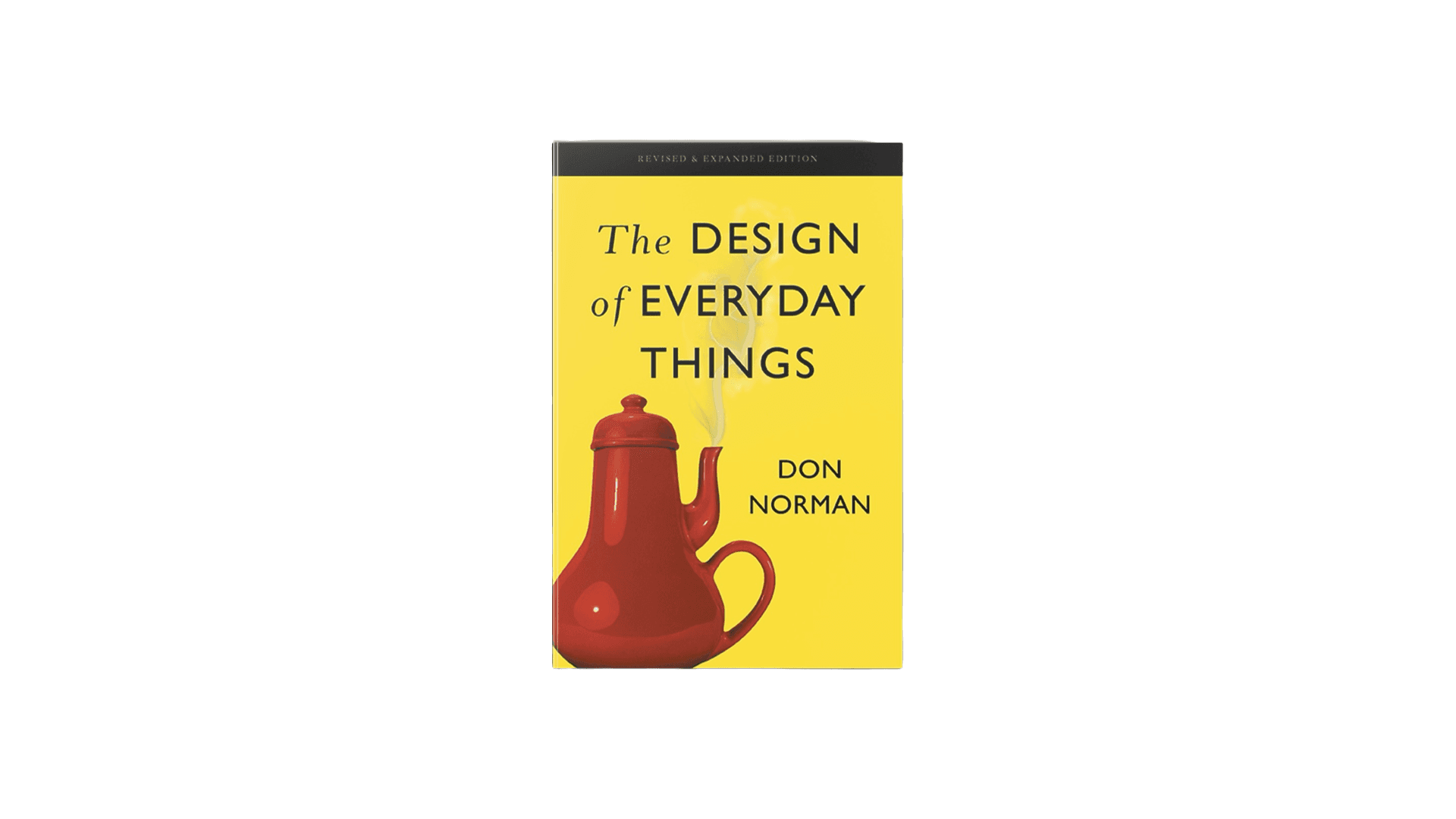
Don Norman is essentially the godfather of user experience design (UX)- a foundational figure whose work has shaped how designers think about people and products. He reportedly attends DDX, a popular UX design conference here in San Diego, and I'm hoping to cross paths with him there in 2026.
This was actually the first handbook handed to me as a design student, and I'll be honest - I didn't have the patience for it back then. That's carried some guilt over the years. Looking back, I think part of me was resistant to letting formal education replace the pure exploration I'd had with drawing. I drew for the joy of it before school taught me to draw "correctly," and maybe I wasn't ready to have that same thing happen with design thinking.
Reading it now, though, it landed differently. One of the most eye-opening ideas was Norman's argument that human error is a design failure. We tend to treat mastery of a device as a personal skill - like being "good with technology" is some kind of virtue. But Norman flips that: if something is hard to use, that's on the designer, not the user. Related to this, I loved his concept of discoverability - the idea that you should be able to figure out how something works just by looking at it. Once you internalize that, you start noticing how elegant some deceptively simple objects are, and how bafflingly unintuitive others are despite being common, everyday things.
What also impressed me was how ahead of his time Norman was when it came to AI. His observations on it felt remarkably prescient - a reminder that the core principles of human-centered design don't age, they just find new arenas to play out in.
2. Greenlights | Mathew McConaughey
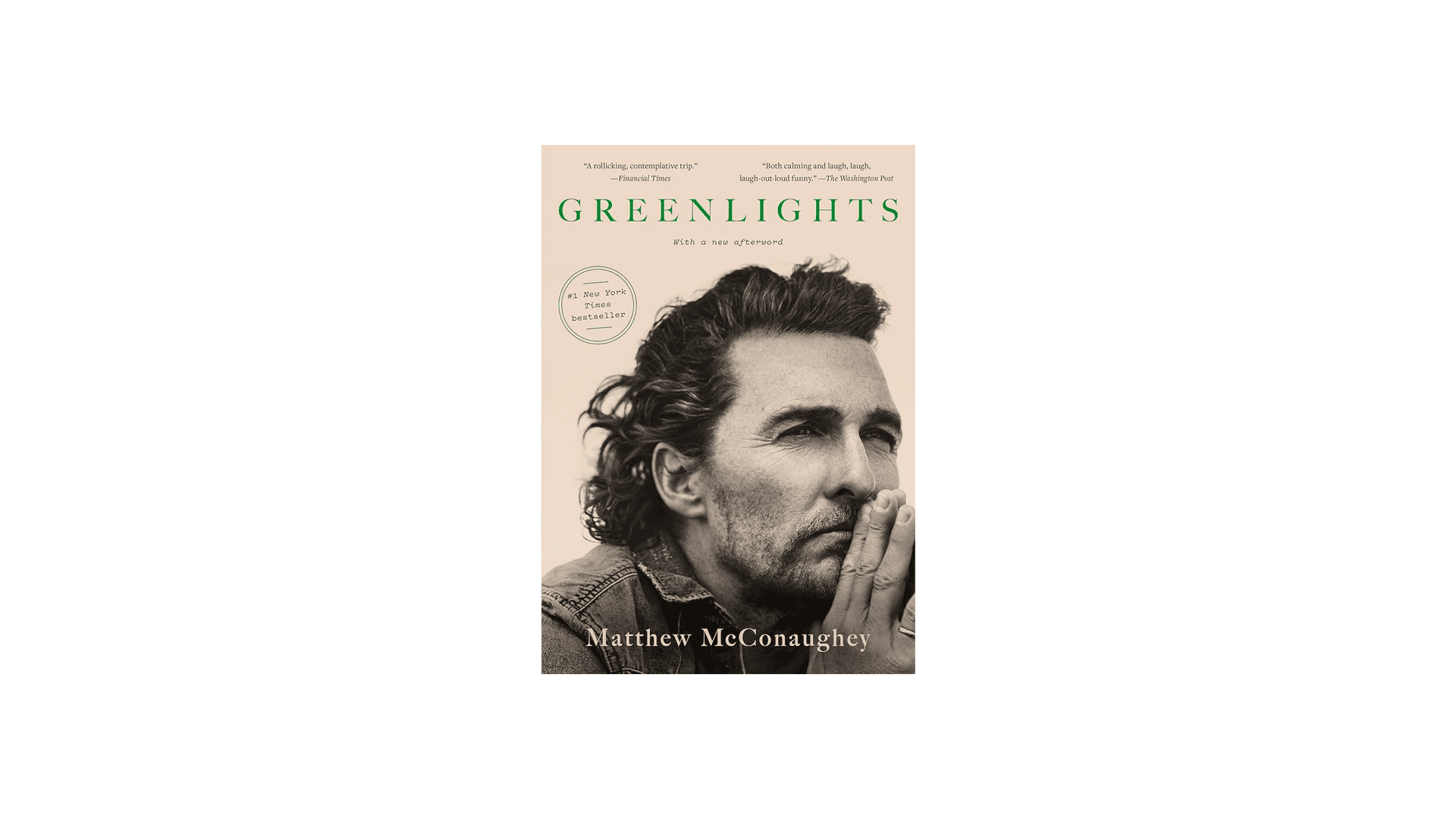
What struck me most about McConaughey in this book is how seriously he takes everything he does- even something as seemingly casual as watching clouds drift across the sky. There's a real dedication there, an ego-less pursuit of excellence that he has absolutely no shame about. That combination is rare, and honestly, it's something I find really admirable.
He's also strikingly honest. You can feel throughout the book just how comfortable he is in his own skin, and that comfort is what gives him his confidence- it doesn't come from external validation, it comes from within. He listens to his gut. He reads nature and the world around him as sources of meaning, not just the opinions of other people. He's someone who finds affirmation in more than just human communication, and there's something grounding about that perspective.
The journal-style storytelling suits all of this perfectly. It feels unfiltered and lived-in, like you're getting the real person rather than a polished memoir.
Flatland | Edwin A. Abbott
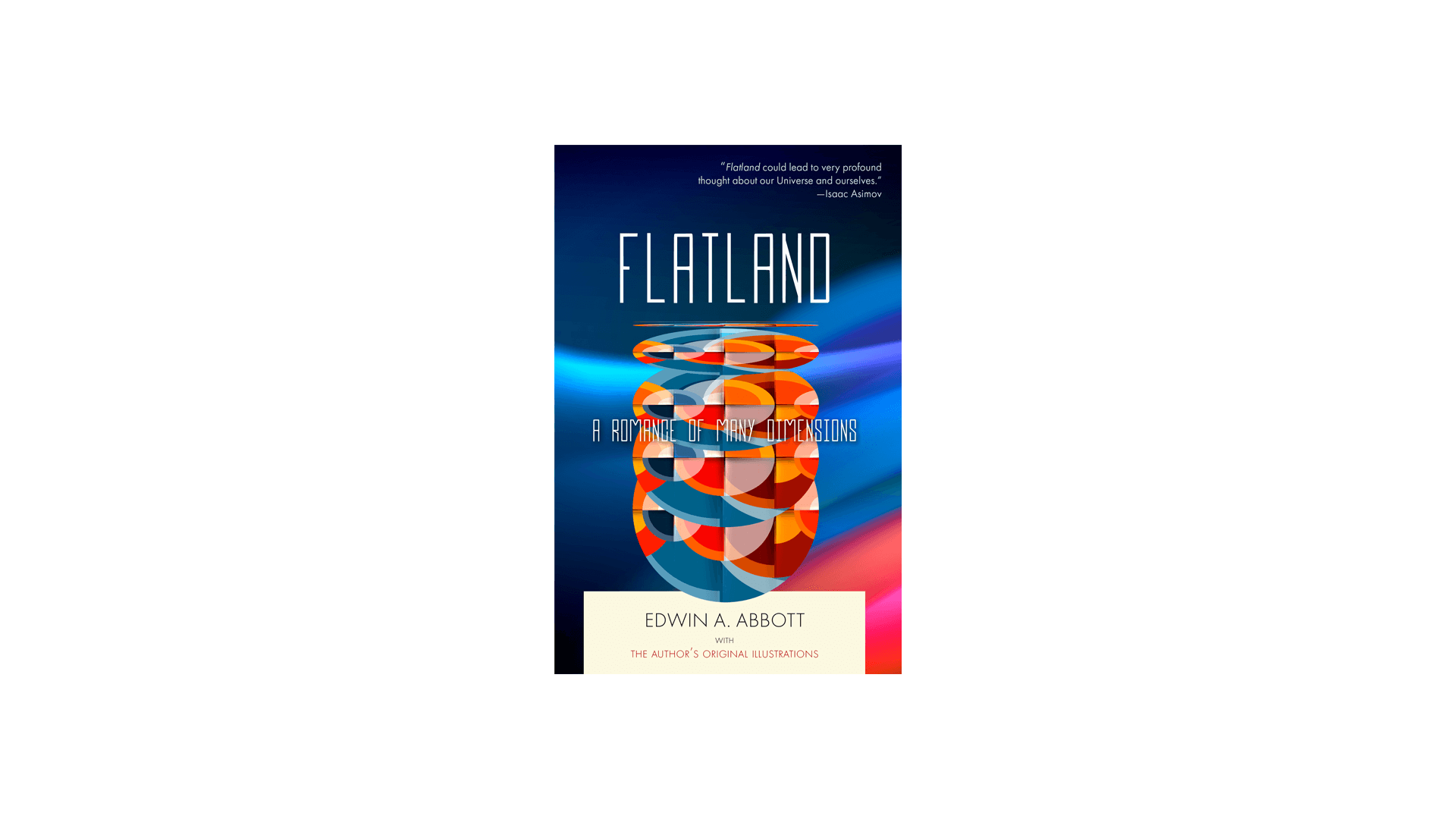
The thing I kept coming back to the whole time I was reading this was just how old the book is. Someone way back then wasn't just casually entertaining the idea of fourth, fifth, and beyond dimensions- they were building an entire personified narrative around it, told from the perspective of geometric shapes living in a two-dimensional world. That's a genuinely wild thing to wrap your head around historically.
It demands a very visual imagination. You really need to be comfortable with geometry and spatial thinking to follow along, because so much of the book is about orientation describing how shapes perceive their world, how they identify each other, how they move and interact. Abbott is doing a lot of work to put you inside a perspective that is fundamentally foreign to how we naturally see things.
4. Jony Ive- the Genius Behind Apples Greatest Products | Leander Kahney
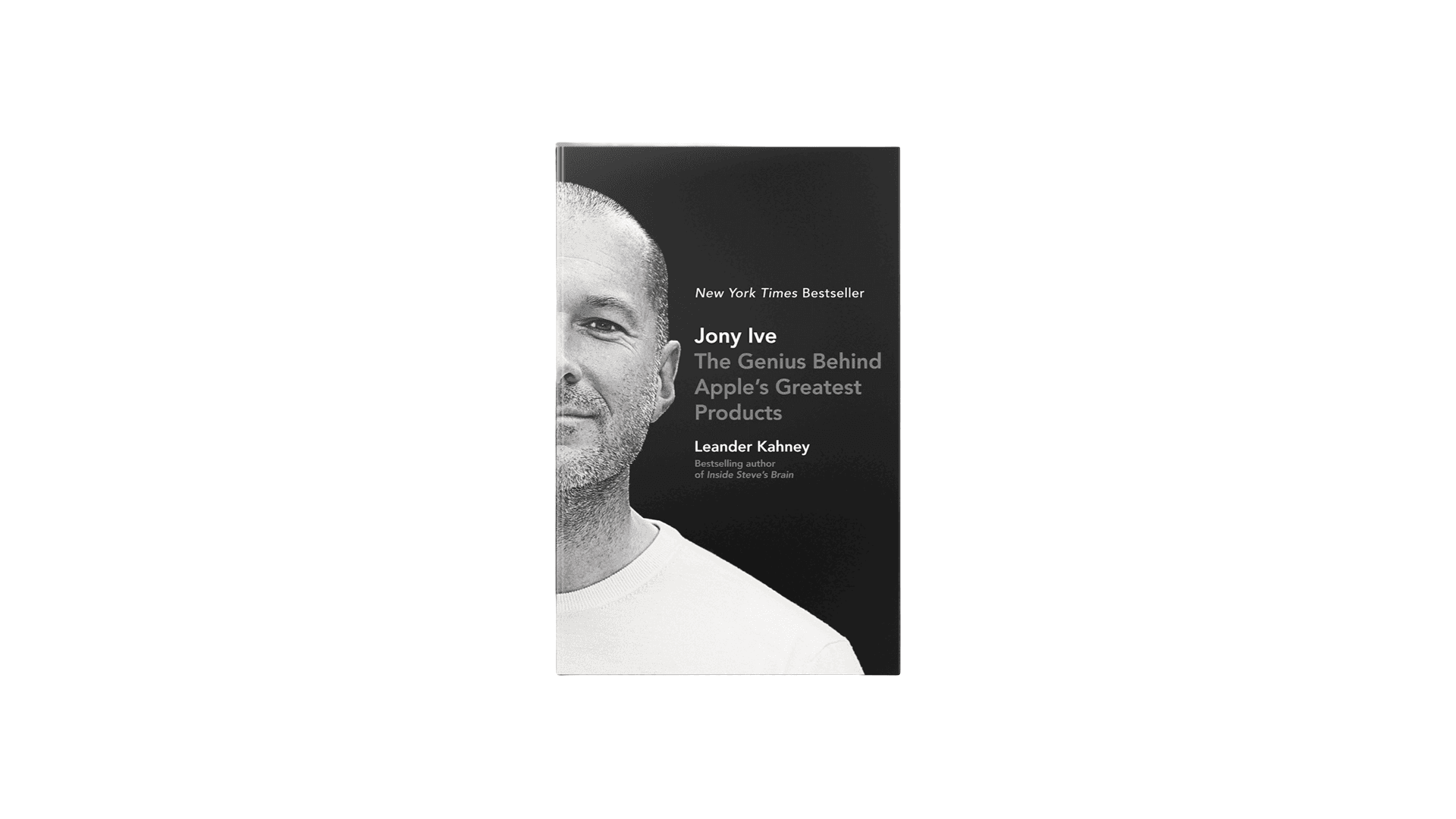
This book holds a special place for me - my good friend and former roommate Alireza Bahremand gifted it to me with a personal note on the inside cover. I'm glad I finally got around to finishing it.
Reading about how exceptional Ive was from such a young age made me really sit with just how formative childhood can be. The environment he grew up in- a father who was a craftsman, a household where making things with care was normal- clearly shaped everything that came after. It's a reminder that the influences around you early in life have a longer reach than most people realize.
One moment that genuinely made me laugh was finally understanding why all of my prototypes in Industrial Design school had to be all white. That wasn't arbitrary- it was a style heavily popularized by Jony Ive and his work at Apple. The book talks a lot about the deliberate use of bold, bright colors and raw metallic materials, and how that visual language became so influential it trickled all the way down into how design students were being taught. Those aesthetic choices still feel relevant today, which says a lot about how considered they were.
The thing that stuck with me most, though, was learning just how much power Apple gave their industrial designers- to the point where engineers reportedly felt bullied at times. In some ways that's a testament to how seriously Apple took design, but it also landed as a cautionary note for me personally. If anything, it deepened my desire to be a thoughtful and excellent collaborator on any team I'm part of. Design influence should elevate the people around you, not override them.
5. Design as Art | Bruno Munari
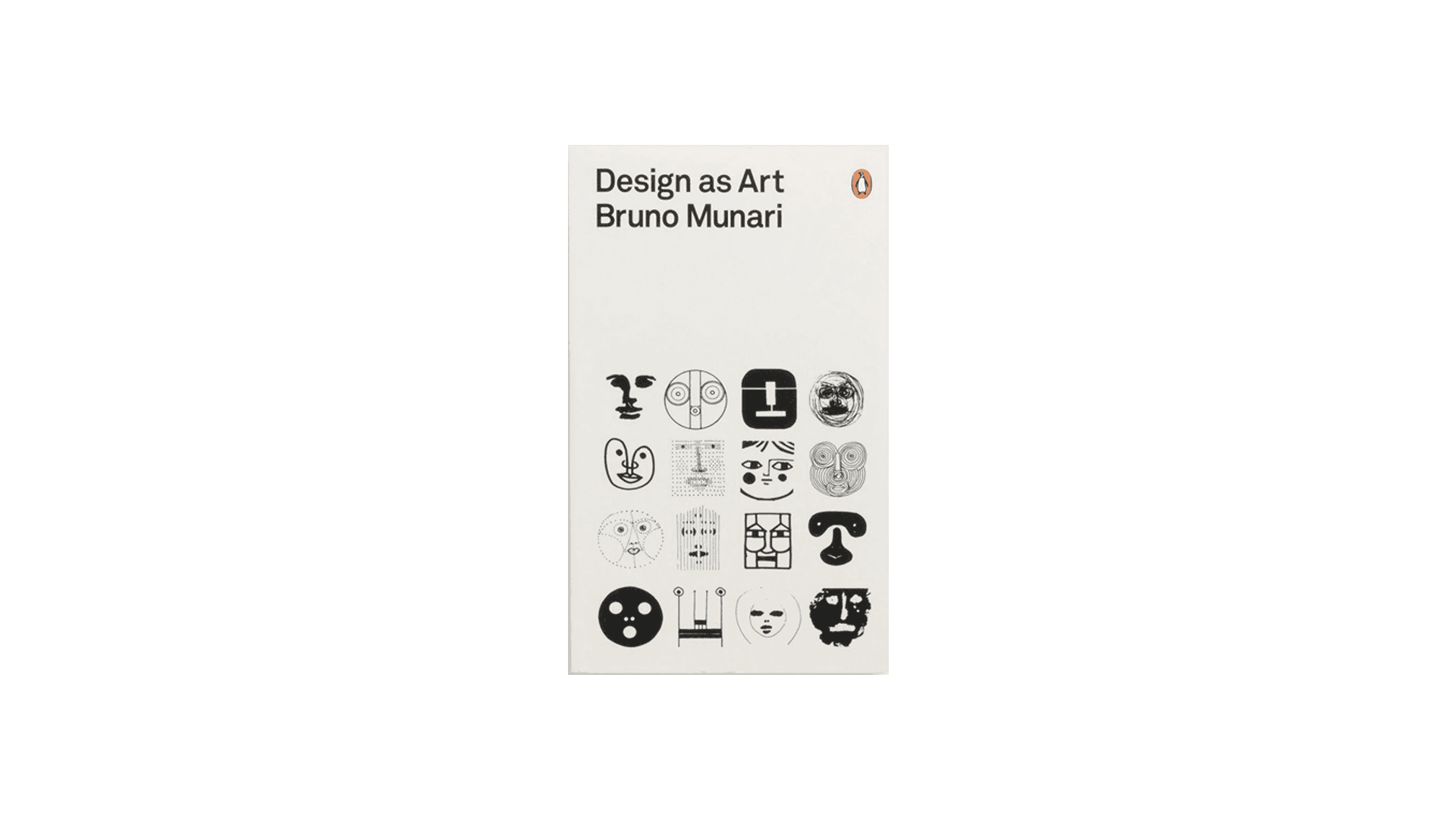
One of the things I enjoyed most was his level of detail when it came to materials- there's something genuinely exciting about getting a window into what design looked and felt like in that era, and how fluidly art and design blended into one another. The boundaries we tend to draw between the two today felt much more porous in Munari's world, and that's a freeing way to think about creative work.
His "useless machines" captured that spirit perfectly. Reading about them, you get the sense of someone in a state of pure play- experimenting with raw materials not to solve a problem or ship a product, but simply to explore what was possible. There's something almost enviable about that kind of creative freedom, and the fact that he took it seriously as a designer rather than treating it as a side hobby says a lot about his philosophy.
The observation about how visual design guides, or traps, the eye was one of those ideas that immediately changes how you look at things. His point that a square naturally pulls your eyes along its edges while a circle offers no exit, leaving you visually suspended inside it, is such a simple but precise insight. Once you hear it, you can't unsee it.
And maybe the idea that resonated most personally was his belief that designers should actively work to recover their childlike sense of creativity. Not as a nostalgic exercise, but as a genuine design principle.
6. Hooked | Nir Eyal
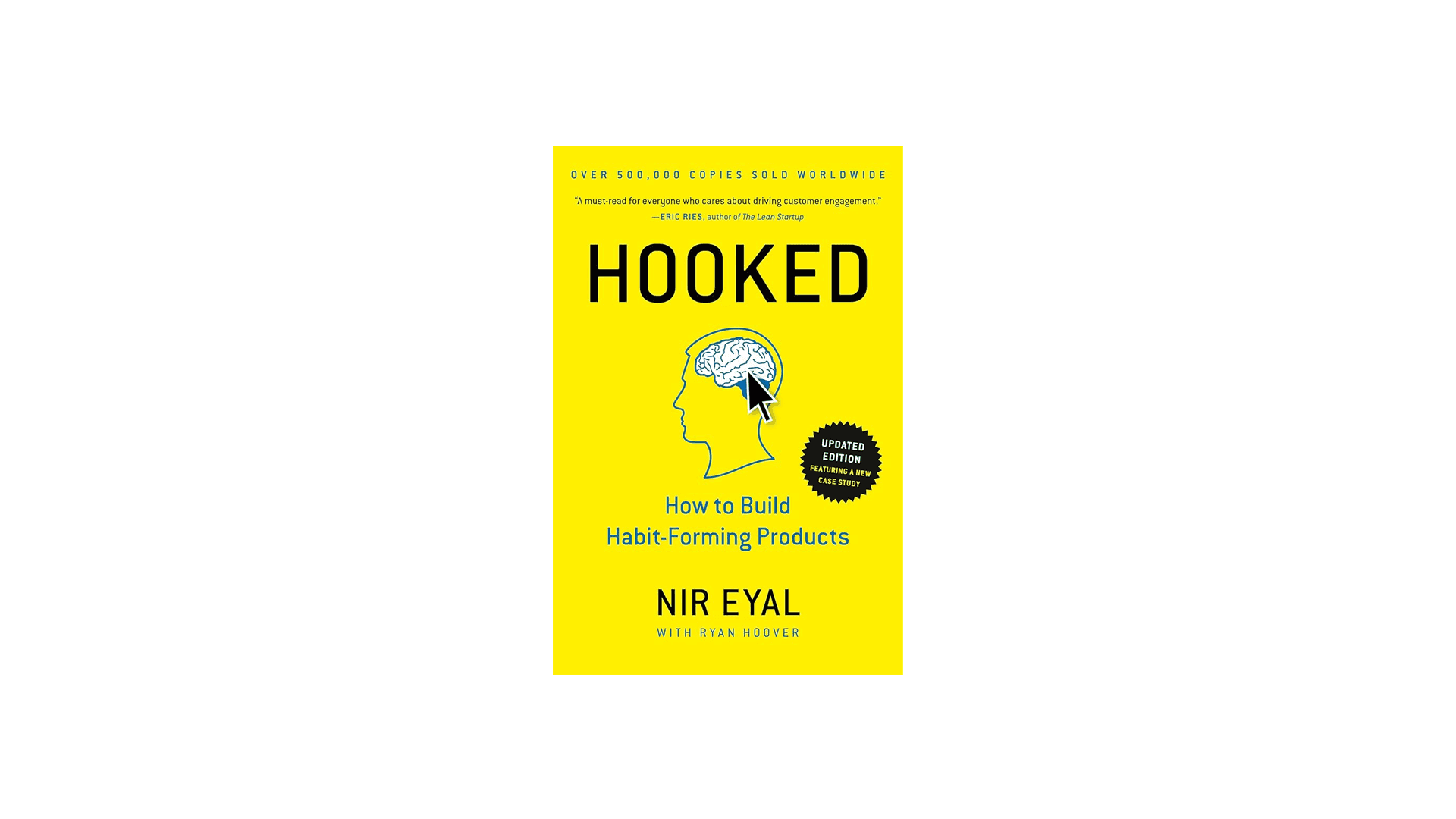
This one came to me through my good friend Chase Lortie - one of the rare times someone recommended a book and I acted on it immediately. Looking back, it was just one of those right place, right time situations where the recommendation landed exactly when I was ready for it.
The Manipulation Matrix was one of the more thought-provoking parts of the book. Getting a look into the psychology behind designing something that could genuinely take advantage of a person - and having Eyal address that tension head-on rather than gloss over it - made the whole framework feel more honest and worth taking seriously.
But the Hook Model itself - Trigger, Action, Variable Reward, Investment - is what really stuck. Once you have those four steps in your head, you start seeing the pattern everywhere. Every app, every product, every interaction throughout the day starts revealing its own version of the cycle. The phase that got me thinking the most was Investment. It pushed me to ask not just what keeps users around in the products I use, but what will keep people invested in the things I design. Everything has this dynamic built into it, and it's ultimately on the designer to decide whether the trade - someone's time, attention, and loyalty - is a fair and ethical one. That felt like a real design responsibility, not just a growth tactic.
7. The Next Conversation | Jefferson Fisher
Funny enough, I found this one through Theo Von - I always enjoy when a genuinely funny, agenda-less host like Theo sits down with someone for a professional interview. It made for a great introduction to Jefferson Fisher and his ideas.
What I loved throughout the book were his graphs mapping the flow of a conversation - visualizing how tensions rise, how someone might do something brash at the peak of that heat, and how keeping your composure opens up opportunities to recenter, listen better, and be more intentional about the timing of what you say. It reframes conversation as something you can actually navigate rather than just react to.
The biggest takeaway for me, without question, was the idea that the goal of an argument is not to win - it's to connect and understand. When you really think about it, if two people truly understood each other, there wouldn't be an argument at all. You'd both just take the appropriate actions. That reframe alone is worth the whole book.
He also touches on something that stuck with me as a human reminder - the person in front of you when they're angry or upset is often not their true self. Everyone is carrying something, and approaching people with that awareness makes you a more productive and genuinely helpful presence in their life.
The title itself carries the philosophy - resolving something real takes intentionality and patience, often one goal at a time across multiple conversations. This book genuinely elevated the way I communicate, especially at work, and gave me a new layer of confidence in how I show up for the people around me.
The Creative Act: a Way of Being | Rick Ruben
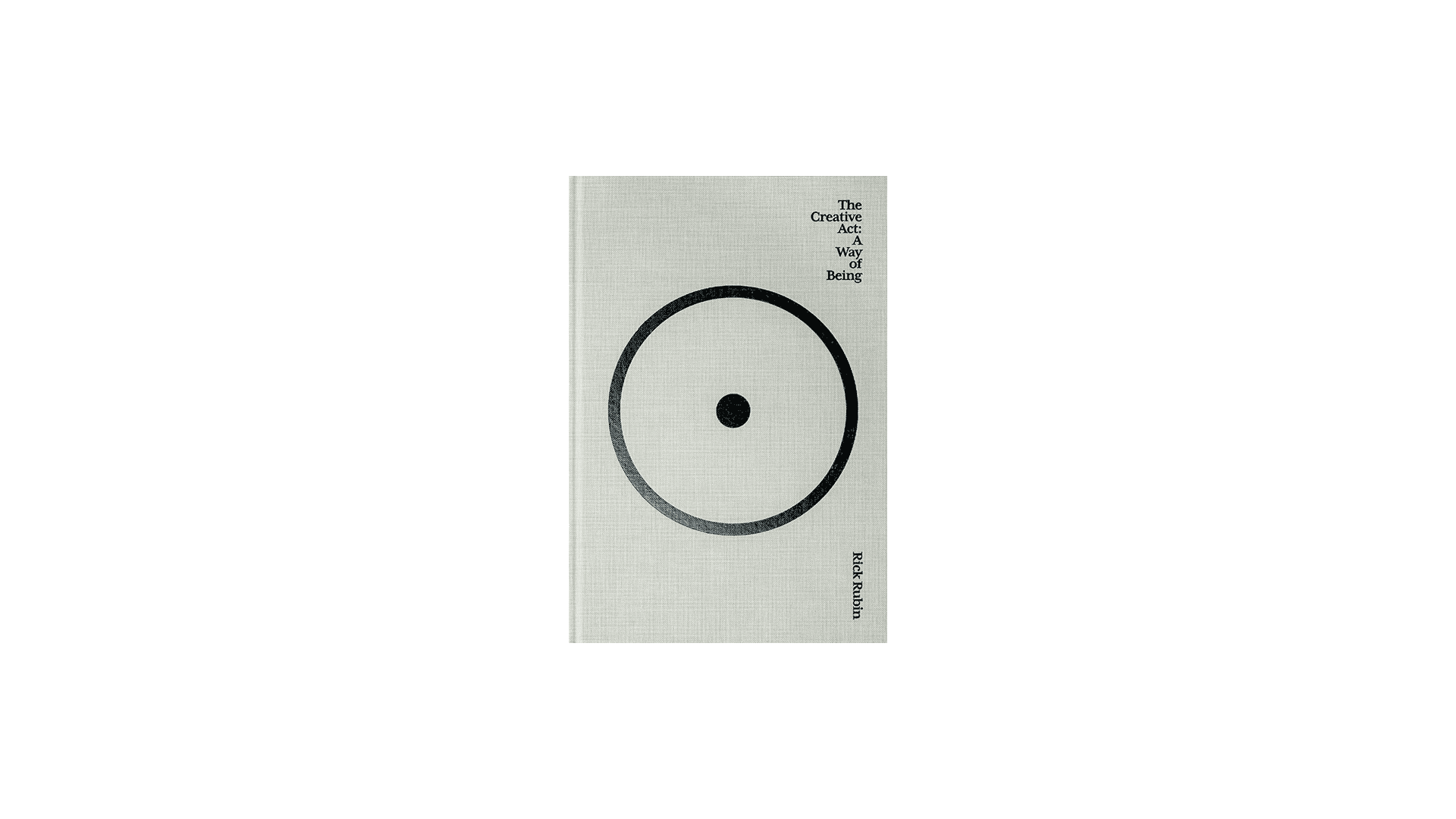
I've always been drawn to Rick Rubin for his musical influence, so between that and the fact that the book itself looks like a beautiful coffee table piece, I was genuinely curious to get inside his thinking beyond the interviews he does with artists. It didn't disappoint.One of the most striking ideas is how he treats a creative idea as an object - something that exists independently, not attached to any one person. If it comes to you and you don't act on it, it will simply find another channel, another person, and make its way into existence regardless. That reframe takes a lot of the ego out of creativity and replaces it with a kind of responsibility to show up and do the work when something arrives.
The concept of the artist as a receiver really resonated with me. It actually reminded me of how similar we are to computers - our five senses are constantly taking in data, feeding the thoughts and ideas that eventually surface. But Rubin takes it even further than neuroscience or psychology, suggesting there are larger forces at play - something closer to fate - that move ideas through the world and through us. Whether you take that literally or metaphorically, it's a compelling way to think about where creative work actually comes from.
If you consider yourself any kind of creator and find yourself wrestling with ego, self-doubt, or the feeling that you've lost your beginner's curiosity - this is the book. It meets you exactly where those feelings live and gives you a healthier way to move through them.
Message me know if you read these and have any thoughts, or if you have any good book recs I'd love to hear them. Thanks for reading!
-DK